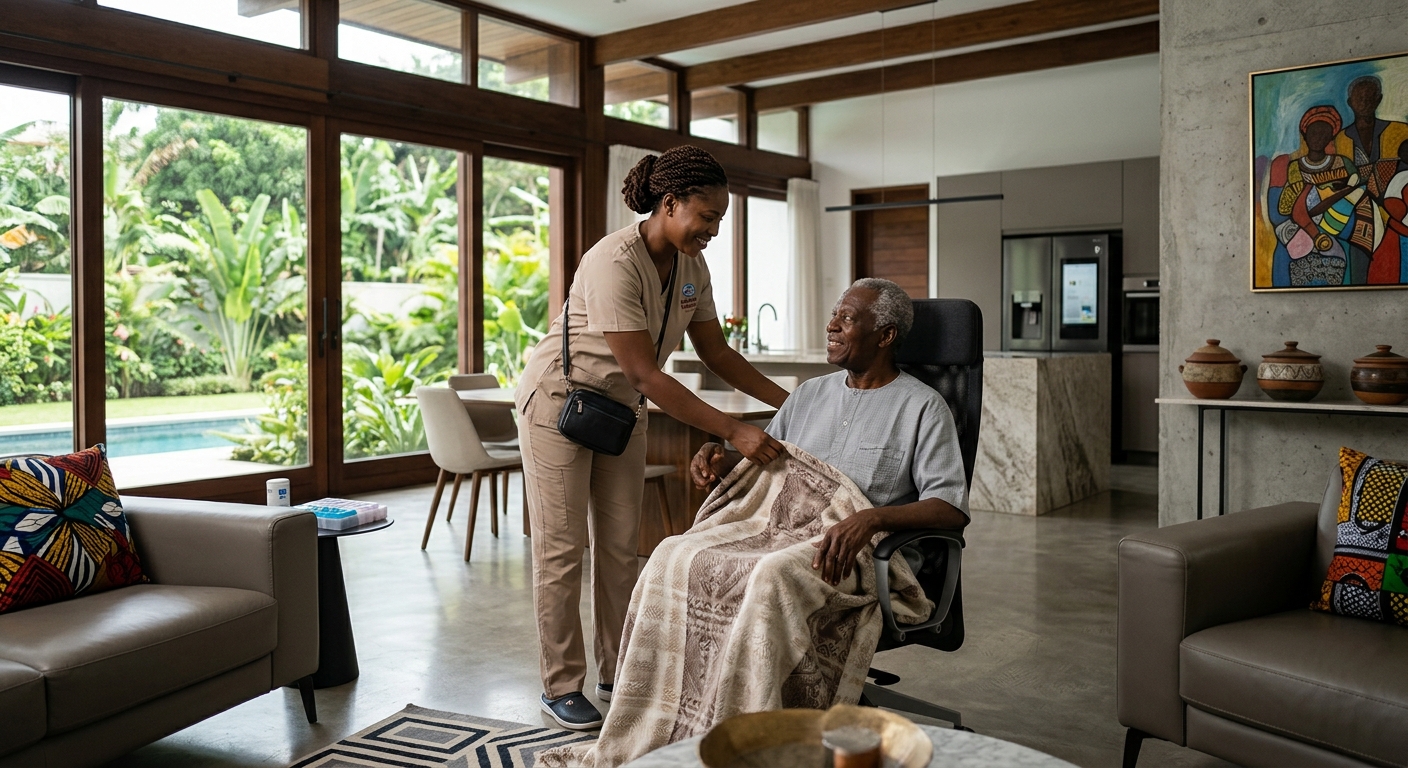
Caregiving is more than helping someone with their daily activities. It is a profession built on compassion, responsibility, patience, trust and practical skill.
As more families seek reliable support for older adults, people recovering from illness or hospitalisation, children, and individuals who need assistance at home, the demand for competent caregivers continues to grow.
But getting a caregiving job is only the beginning. Building a successful and sustainable career in caregiving requires continuous learning, professionalism and a genuine commitment to the people you serve.
Here are some important steps to help you build a rewarding career in caregiving.
1. Get Proper Training
One of the best ways to start your caregiving career is by getting appropriate training.
A caregiver may be required to assist with personal hygiene, mobility, feeding, companionship, basic observations, household support and other daily activities. Understanding how to perform these responsibilities safely is essential.
Training can also help you understand important areas such as:
- Personal care and hygiene
- Elderly care
- Childcare
- Mobility assistance
- Basic first aid
- Infection prevention and control
- Communication
- Client safety
- Professional ethics
- Confidentiality
- Recognising changes in a client’s condition
Don’t assume that being naturally caring is enough. Compassion is important, but competence makes that compassion safer and more effective.
2. Develop Strong Communication Skills
A good caregiver must know how to communicate with both the person receiving care and their family.
You need to be able to listen carefully, give clear information, ask questions when instructions are unclear and report concerns appropriately.
Communication is particularly important when caring for older adults or people who may have difficulty expressing their needs.
Always remember: when you are unsure, ask rather than assume.
3. Learn to Be Patient and Empathetic
Caregiving can sometimes be challenging. A client may be frustrated, anxious, confused, uncomfortable or unable to do things they previously did independently.
Patience and empathy help you respond professionally rather than emotionally.
Being empathetic does not mean allowing inappropriate behaviour or ignoring professional boundaries. It means understanding that the person in your care deserves to be treated with dignity, respect and kindness.
4. Take Professionalism Seriously
Your behaviour outside the client’s direct care can also affect your reputation as a caregiver.
Professionalism includes:
- Arriving on time
- Dressing appropriately
- Maintaining good personal hygiene
- Following agreed responsibilities
- Respecting the client’s home and belongings
- Maintaining confidentiality
- Avoiding unnecessary phone use while on duty
- Following care instructions
- Reporting problems promptly
- Maintaining appropriate boundaries
Families are trusting caregivers with something extremely valuable, the wellbeing of someone they love. Reliability is therefore just as important as technical skill.
5. Understand Your Scope of Practice
A professional caregiver should know what they are trained and authorised to do and what they are not.
Do not perform medical procedures, administer medications or undertake tasks beyond your training simply because a client or family member asks you to.
If you are uncertain about a task, speak with your supervisor or the appropriate healthcare professional.
Knowing your limits protects you and the person in your care.
6. Keep Learning
Caregiving is not a profession where learning stops after your first training programme.
Look for opportunities to improve your skills through additional training, workshops, practical experience and professional development.
You can develop expertise in areas such as:
- Elderly care
- Post-hospital care
- Stroke care support
- Disability support
- Childcare
- Palliative care support
- Dementia care
- First aid and emergency response
The more relevant skills you develop, the better prepared you will be for different caregiving opportunities.
7. Build a Reputation for Reliability
In caregiving, your reputation can become one of your greatest career assets.
A caregiver who is consistently punctual, responsible, respectful and dependable is more likely to earn the trust of clients, families and care agencies.
Do your job well even when nobody is watching.
Small things—arriving on time, completing your duties properly, documenting care and communicating concerns can make a significant difference over time.
8. Protect Client Confidentiality
Caregivers often have access to sensitive information about their clients, including their health, family circumstances, home environment and personal routines.
That information should be treated as confidential.
Avoid discussing clients with friends, sharing their private information on social media or taking and posting photographs without proper authorisation.
Trust is fundamental to caregiving, and confidentiality is an important part of maintaining that trust.
9. Learn How to Manage Stress
Caregiving can be physically and emotionally demanding.
Long hours, challenging situations and the emotional responsibility of caring for another person can contribute to stress and burnout.
Learn to recognise when you are becoming overwhelmed. Make time for adequate rest when possible, maintain healthy routines and communicate with your supervisor when you are struggling with a placement.
Taking care of yourself helps you provide better care to others.
10. Treat Every Placement as an Opportunity to Grow
Every client and every caregiving experience can teach you something.
Pay attention to what you do well and identify areas where you need improvement. Ask for feedback and be willing to learn from experienced caregivers and supervisors.
Your first caregiving position may not be your final destination. With experience, additional training and a strong professional reputation, you can take on greater responsibilities and develop a long-term career in the care sector.
Building a Career, Not Just Finding a Job
A successful caregiving career is built gradually.
Get trained. Build practical skills. Be reliable. Maintain professional boundaries. Keep learning. Treat people with dignity.
Most importantly, remember that caregiving is about people. Every client deserves to feel safe, respected and valued.
When you combine compassion with competence and professionalism, you don’t simply become someone who provides care, you become someone that families can confidently trust.
Ready to Take the Next Step in Your Caregiving Career?
If you are interested in developing your caregiving skills and gaining practical experience, Virgin and Green Cares provides caregiver training and connects suitable caregivers with caregiving opportunities based on their skills, experience and client needs.
Contact Virgin and Green Cares today to learn more about our caregiver training and registration opportunities.