Home is where most people should feel safest. However, everyday household items and small hazards can sometimes create risks, particularly for older adults, children, people recovering from illness or surgery, and individuals with mobility challenges.
Creating a safer home does not always require major renovations. Sometimes, a few simple changes can significantly reduce preventable accidents and make everyday activities easier.
Here are five practical home safety measures every family should consider.
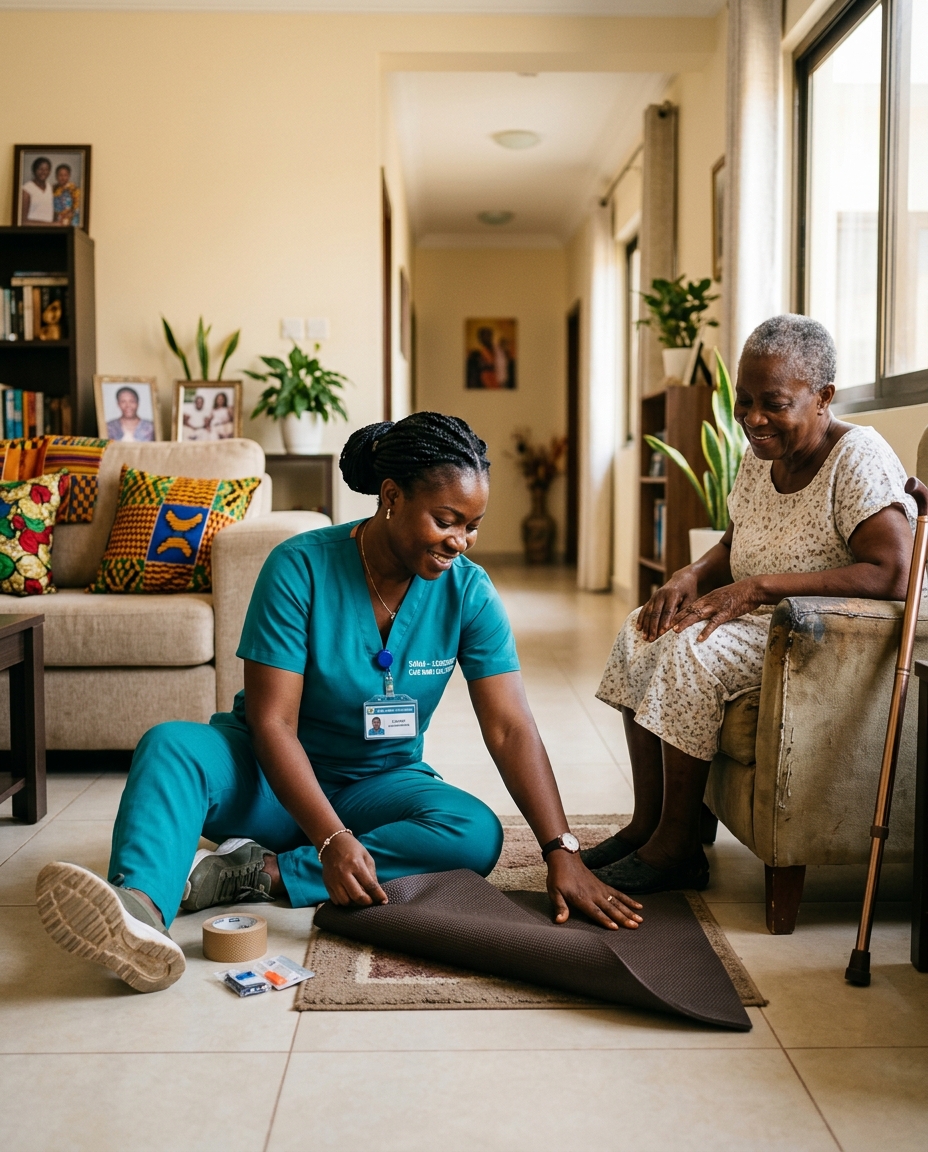
1. Remove Loose Rugs and Other Trip Hazards
Loose rugs, electrical cords, clutter, and objects left in walkways can increase the risk of trips and falls.
This is particularly important for older adults and anyone with difficulty walking or maintaining balance.
Consider:
- Securing or removing loose rugs.
- Keeping electrical cords away from walkways.
- Keeping floors and hallways free from unnecessary objects.
- Ensuring frequently used items are easy to reach.
A clear pathway makes it easier for everyone to move around safely.
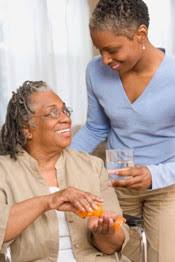
2. Store Medicines Safely and Keep Them Clearly Labelled
Medicines should be stored in a safe, organised location and kept in their original containers whenever possible.
For households with children, medicines should be kept out of children’s reach. Older adults taking several medications may also benefit from a simple system that helps them distinguish between medicines and remember when they should be taken.
Families can consider:
- Keeping medicines in their original labelled containers.
- Checking expiry dates regularly.
- Storing medicines according to their instructions.
- Keeping medicines away from children and anyone who may accidentally ingest them.
- Following the prescribed instructions and seeking professional advice when unsure.
Good medication organisation can help reduce avoidable mistakes.
3. Keep Walkways and Key Areas Well Lit
Poor lighting can make it difficult to see obstacles, especially at night.
Pay particular attention to:
- Stairways.
- Hallways.
- Bathrooms.
- Entrances and exits.
- The pathway between the bedroom and bathroom.
Night lights or easily accessible switches can make movement around the home safer after dark.
4. Keep Emergency Contact Numbers Easily Accessible
In an emergency, people may not have time to search through a phone or notebook for important numbers.
Keep a list of essential contacts somewhere easy to find, such as near the main telephone or in another clearly visible location.
The list may include:
- Family or emergency contacts.
- The client’s doctor or healthcare provider.
- A nearby hospital or healthcare facility.
- The caregiving agency or caregiver’s contact.
- Other important contacts relevant to the individual’s care.
For older adults living alone, having emergency contacts readily available can provide additional reassurance.
5. Consider Grab Bars and Other Appropriate Safety Supports
Bathrooms and other areas where floors may become wet can present a significant fall risk.
Depending on the person’s needs and the home’s layout, appropriately installed grab bars or other support equipment may provide additional stability.
Safety supports may be useful around:
- Showers.
- Bathtubs.
- Toilets.
- Stairways.
However, safety equipment should be properly installed and appropriate for the person’s needs. If you are unsure about what equipment is suitable, seek advice from an appropriate healthcare or rehabilitation professional.
Safety Starts With Looking at the Home Through Their Eyes
A home that feels perfectly safe to one person may present challenges for another.
An older adult with reduced mobility, a child learning to explore their surroundings, or someone recovering after hospitalisation may experience everyday household environments differently.
Take a few minutes to walk through your home and ask:
What could make movement, medication management, or responding to an emergency more difficult for this person?
Identifying potential hazards early can help families take practical steps to create a safer environment.
How Virgin and Green Cares Can Help
At Virgin and Green Cares, we understand that good caregiving involves more than providing assistance with daily activities. It also involves creating an environment where the person receiving care can feel safe, respected, and supported.
Our caregiving services include elderly care, childcare, postpartum care, post-hospital care support, special needs care, and other personalised care solutions.
If your loved one needs additional support at home, contact Virgin and Green Cares today to discuss how we can help.
A Safer Home Begins With Small Steps
You don’t have to change everything at once. Start by identifying the most immediate risks and make practical improvements gradually.
A clear walkway, better lighting, organised medicines, accessible emergency contacts, and appropriate safety supports can all contribute to a safer and more comfortable home.