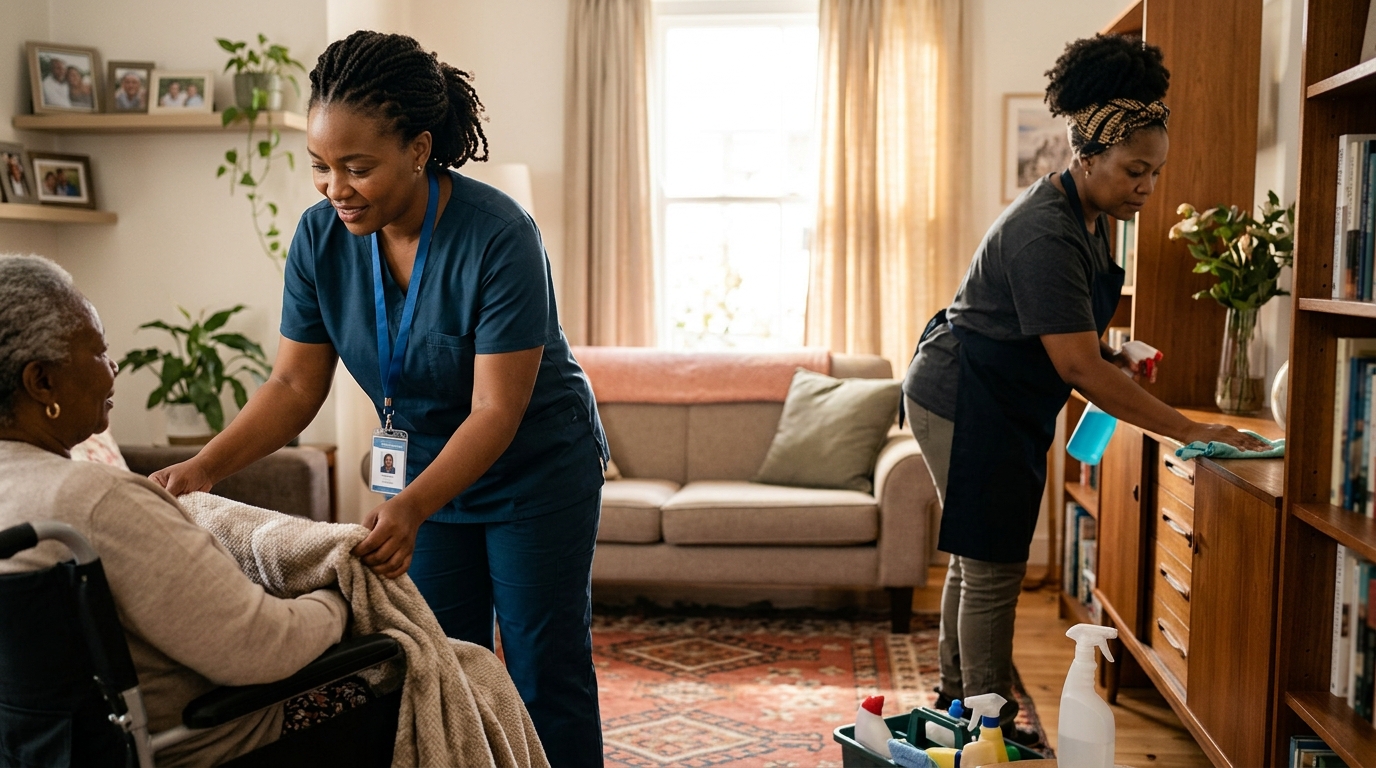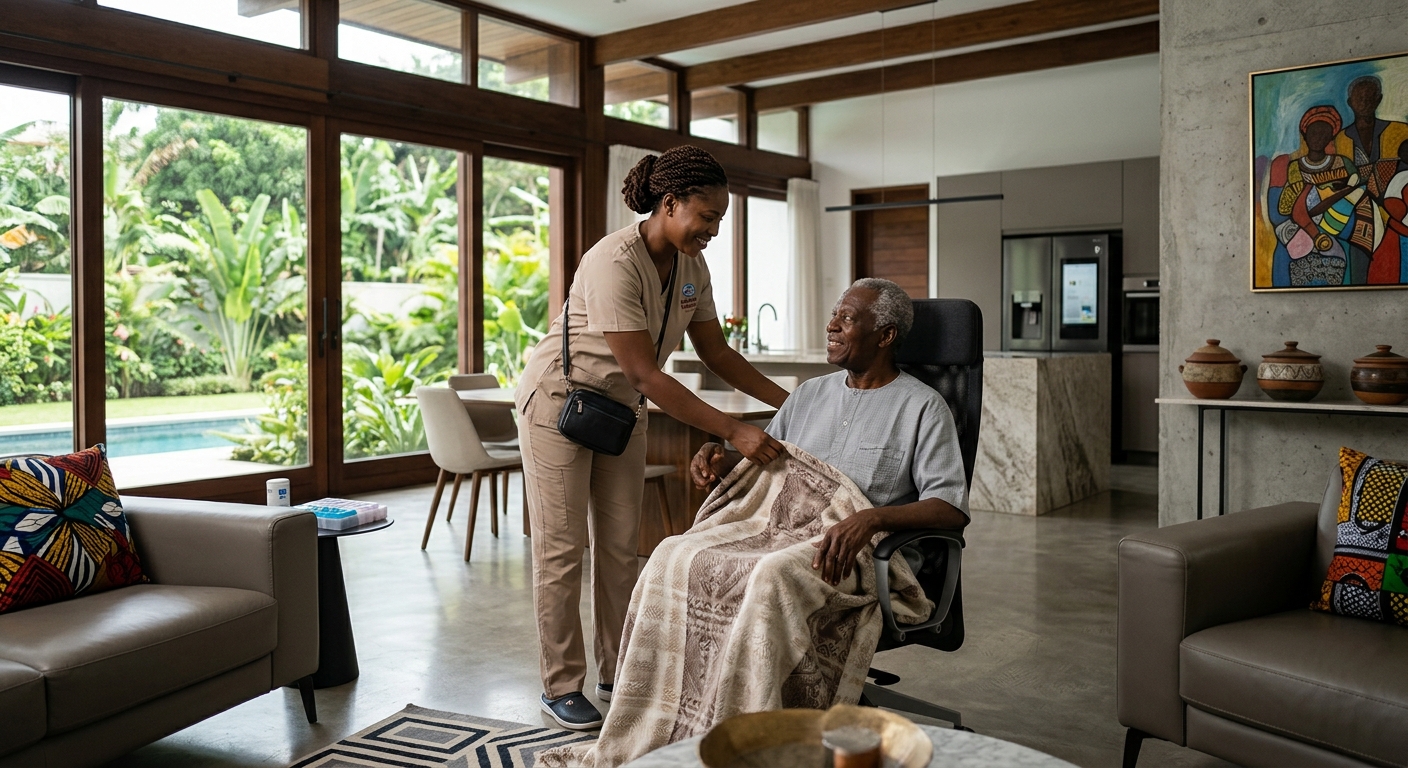
When a family decides to hire a live-in caregiver, they are often looking for more than occasional assistance. They want someone who can provide consistent support, companionship and care within the home.
However, live-in caregiving is not the same as having someone available to work every hour of the day. A successful live-in arrangement requires clear responsibilities, reasonable working expectations, adequate rest and good communication between the household, caregiver and care agency.
Understanding what a live-in caregiver does can help families set realistic expectations and create a healthier working relationship.
What Is a Live-In Caregiver?
A live-in caregiver is a caregiver who resides in the client’s home for the duration of an agreed placement so they can provide ongoing support to the care recipient.
Depending on the client’s needs, the caregiver may assist an older adult, person recovering from illness, child, new mother or another individual who requires regular support.
The exact duties should always be agreed upon before the placement begins.
Key Responsibilities of a Live-In Caregiver
1. Assistance With Daily Activities
A caregiver may assist the care recipient with everyday activities such as:
- Bathing and personal hygiene
- Dressing and grooming
- Feeding and mealtimes
- Mobility and movement around the home
- Toileting and continence support
- Other activities of daily living appropriate to the person’s needs
The level of assistance required will depend on the individual’s condition and independence.
2. Companionship and Emotional Support
Caregiving is not only about physical assistance.
A live-in caregiver may provide companionship by:
- Engaging the care recipient in conversation
- Reading or participating in appropriate activities together
- Accompanying them during walks or appointments where required
- Offering reassurance and emotional support
- Helping reduce feelings of loneliness and isolation
A compassionate and respectful approach is essential.
3. Supporting a Safe Environment
Caregivers should remain attentive to potential safety concerns within the care recipient’s immediate environment.
This may include keeping frequently used areas organised, identifying hazards and reporting concerns to the family or agency.
Where the care recipient has mobility difficulties, the caregiver may also assist them in moving safely around the home.
4. Meal and Nutrition Support
Depending on the agreed responsibilities, a live-in caregiver may assist with preparing meals for the care recipient, serving food and ensuring that meals are provided according to the family’s instructions.
Where specific dietary requirements exist, these should be clearly communicated before the caregiver begins the placement.
5. Medication Reminders and Routine Support
Where appropriate and within the caregiver’s role, a caregiver may remind the care recipient about prescribed medications according to instructions provided by the family or healthcare professional.
Caregivers should not independently change medication dosages or make medical decisions unless they are appropriately qualified and authorised to do so.
Any concerning changes in the care recipient’s condition should be communicated promptly to the appropriate family member, healthcare professional or agency.
6. Communication With the Family
Good communication is one of the most important parts of live-in care.
The caregiver should communicate relevant information such as:
- Changes in the care recipient’s behaviour or condition
- Changes in appetite or mobility
- Missed meals or medication concerns
- Incidents or accidents
- Appointments or important observations
- Any situation requiring the family’s attention
Families should also provide clear instructions and remain available when important decisions need to be made.
What a Live-In Caregiver Is Not
One of the biggest sources of misunderstanding in live-in arrangements is assuming that the caregiver is responsible for every task in the household.
A caregiver’s primary responsibility is the care and wellbeing of the designated care recipient.
Unless specifically agreed as part of the placement, a caregiver should not automatically be expected to:
- Deep-clean the entire household
- Perform extensive domestic work for the whole family
- Care for multiple people without an agreed arrangement
- Work continuously without adequate rest
- Perform medical procedures outside their training or scope
- Take on additional responsibilities simply because they live in the home
If a family requires both caregiving and extensive domestic assistance, these expectations should be discussed clearly before the placement begins.
Live-In Does Not Mean 24-Hour Work
This is an important distinction for both families and caregivers.
Although a live-in caregiver resides in the client’s home, they still require reasonable rest and personal time in accordance with the agreed working arrangement.
Before placement, the family and caregiver should understand:
- Expected working hours
- Rest periods
- Days off or leave arrangements
- Sleeping arrangements
- Meals and feeding arrangements
- Specific duties
- Responsibilities outside the care recipient’s needs
- Procedures for emergencies
Clear expectations help prevent disagreements later.
What Families Should Provide
For a live-in arrangement to work well, the household should provide a suitable and respectful living environment.
This may include:
- A safe and appropriate sleeping space
- Access to basic facilities
- Agreed meals or feeding arrangements where applicable
- Clear instructions regarding the care recipient
- Relevant emergency contact information
- Information about medications, routines and important preferences
- Reasonable time for rest and personal activities
The caregiver should also be treated with dignity and respect as a professional providing an essential service.
How Families Can Make the Arrangement Successful
A successful live-in caregiving arrangement is built on clear expectations, communication and mutual respect.
Before the caregiver resumes, families should discuss the care recipient’s routine, specific needs, household expectations and any special considerations.
It is also important to communicate changes in the care recipient’s needs rather than assuming the caregiver will automatically know what to do.
For more complex care needs, families should seek appropriate professional or medical guidance rather than expecting a caregiver to make medical decisions independently.
Choosing the Right Live-In Caregiver
The right caregiver should match the actual needs of the care recipient and the responsibilities of the placement.
Factors to consider may include:
- Relevant training
- Previous experience
- Personality and compatibility
- Availability
- Ability to handle the required duties
- Communication skills
- Willingness to work within the agreed arrangement
- References or verification where applicable
A professional care agency can help families assess their needs and identify a caregiver whose skills and availability are appropriate for the placement.
Conclusion
A live-in caregiver can provide valuable support to families who need consistent assistance at home. However, the success of the arrangement depends on more than simply having a caregiver live in the household.
Clear duties, realistic expectations, adequate rest, respectful treatment and open communication are essential.
When everyone understands their responsibilities from the beginning, the caregiver can focus on providing quality care while the family can have greater confidence in the arrangement.
Need a Live-In Caregiver?
If your family needs reliable support for an elderly person, child, new mother or someone recovering at home, Virgin and Green Cares can help you explore a suitable care arrangement based on your needs.
Visit our website to learn more about our caregiving and home-support services or contact us directly.